SOF Blogs
Ideas, field notes and lessons from founders, operators and the SOF community.
Written to sharpen how you think, build and lead.
Written to sharpen how you think, build and lead.

Child Wants a Business, Not Engineering? A Parent's Guide
If your child wants to build a business rather than study engineering, the choice is less risky than it sounds, as long as they still finish with a recognised degree. Engineering no longer guarantees a job: AICTE data shows fewer than half of undergraduate engineering students were placed between 2019-20 and 2022-23. Test the interest first, then pick a route that pairs a degree with real work.
Founder's Office Roles in India: Pay and How to Get One
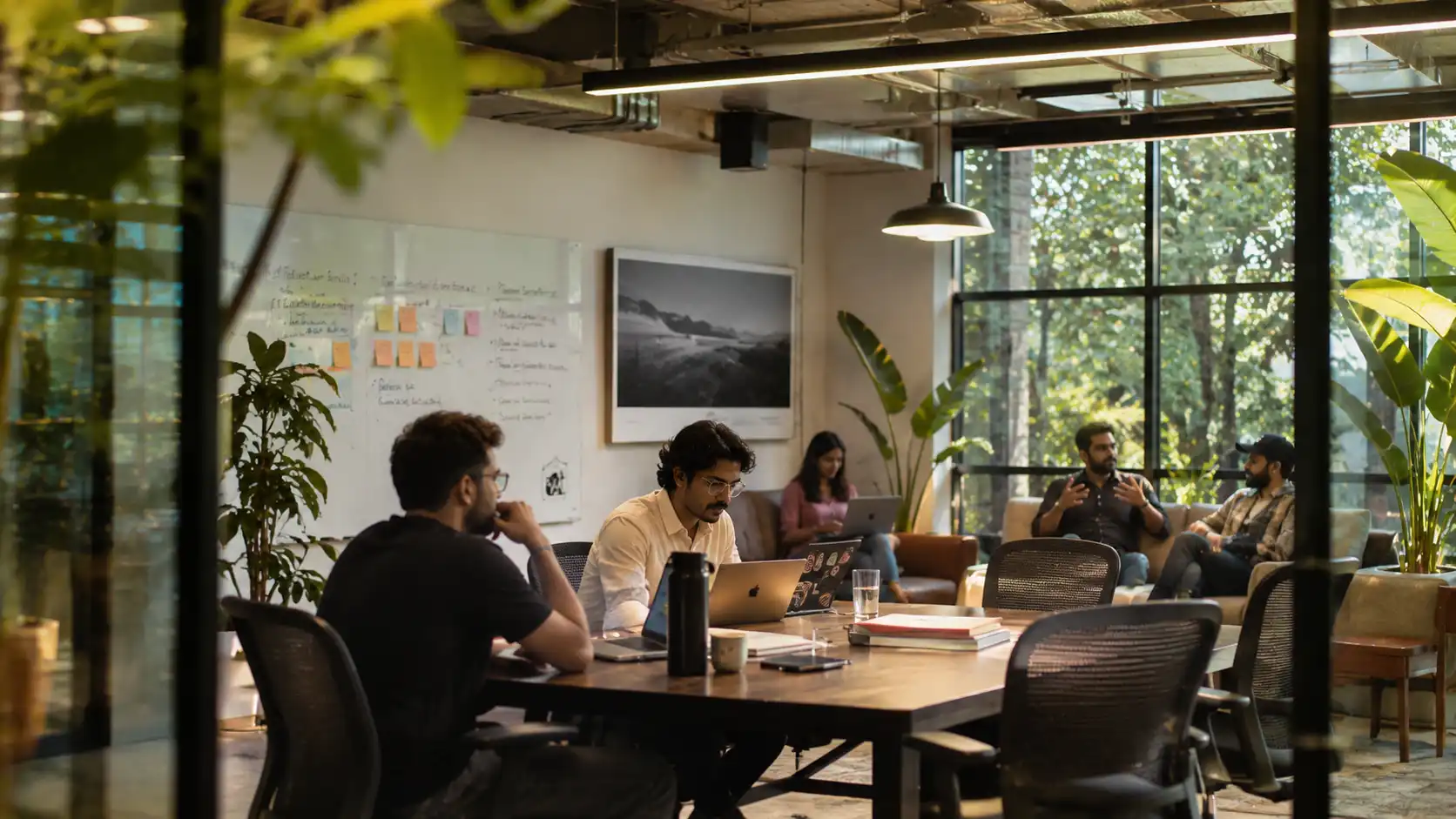
A Founder's Office role puts you beside a startup's founder, running whatever matters most that quarter: a new market, a fundraise, a broken process. In India it typically pays around ₹7–25 lakh a year, with a Bengaluru median near ₹15 lakh on Glassdoor. Most roles are in Bengaluru startups, and you get one by showing you can run things, not by your degree.

Study Abroad After 12th vs Building in India (2026)
Studying abroad after 12th can still pay off, but in 2026 it costs more and guarantees less. A Canadian degree runs to about ₹1.1 crore in tuition alone, Canada has halved new study permits, and the UK cuts its post-study work visa to 18 months from 2027. For students who want to build, a strong Indian route can deliver more for far less.

Kerala's Stealthy Wealthy: Small-Town Business Giants
Some of India's biggest businesses grew out of Kerala's small towns: Muthoot Finance from Kozhencherry, Malabar Gold from Kozhikode, Kalyan Jewellers and Lulu's founder from Thrissur, Manappuram from the village of Valapad, and Kitex from Kizhakkambalam. Most were built on the same things: local trust, family capital, money from the Gulf, and a patient reach outward from home.

Online Degree Alongside a Full-Time Course: UGC Rules 2026
Yes. Since April 2022, UGC guidelines have let students in India pursue two academic programmes at the same time, including one full-time, in-person programme and one online or distance programme. An online degree from a recognised institution is treated as equivalent to a regular degree, but only if that programme is approved, so check it on UGC's DEB portal before you enrol.
Best Courses After 12th to Build a Business (2026)
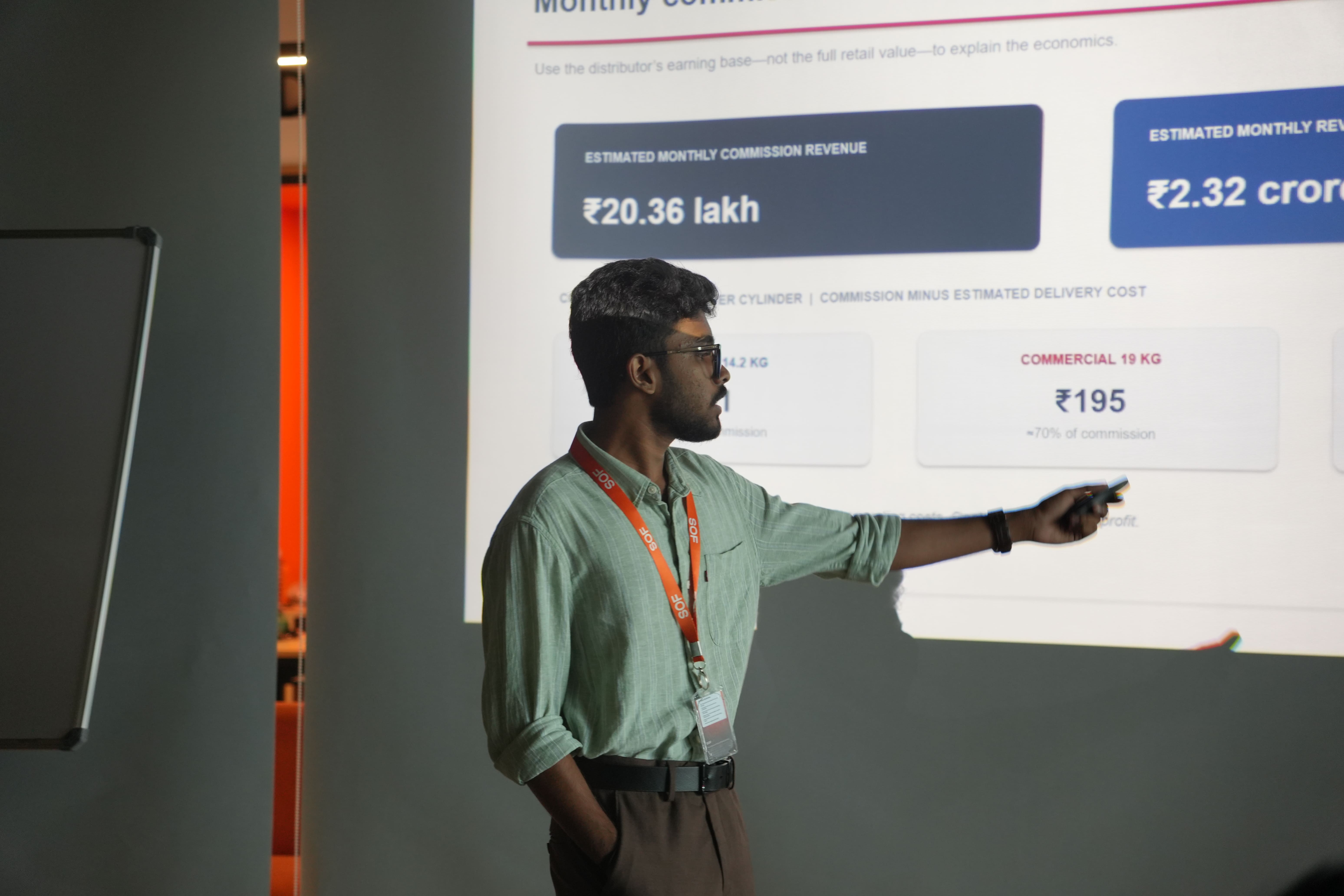
For a future business-builder, the best course after 12th gives you a recognised degree and real work experience together. The main routes in 2026 are a BBA or BMS, an IIM integrated programme, B.Com with CA or ACCA, an online degree paired with real work, and learn-by-building UG programmes. They differ most on cost, time and how soon real work starts.
Alternatives to an MBA in India (2026): The Full Guide
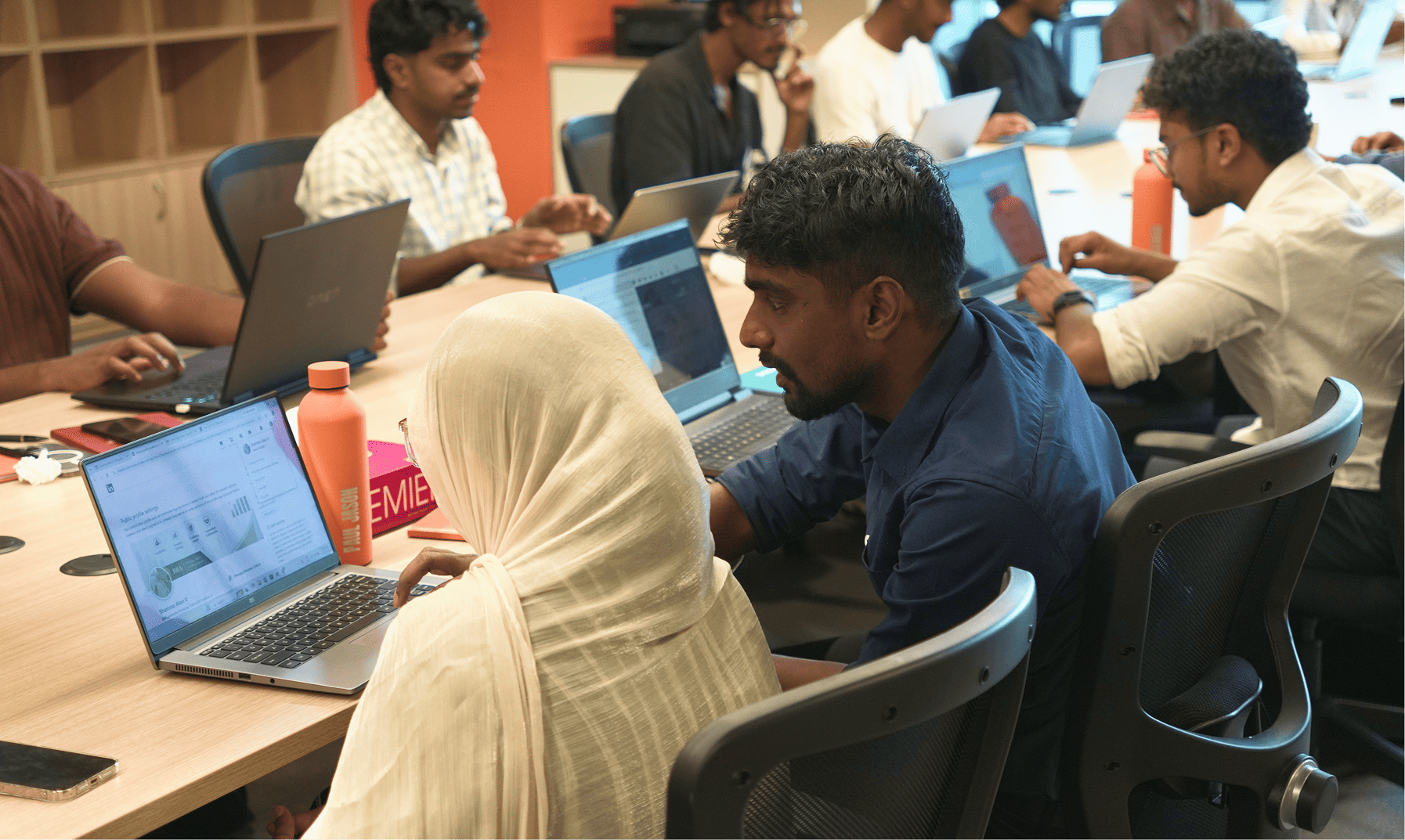
The strongest alternatives to an MBA in India in 2026 fall into a few routes: new-age business schools that teach by building, skill-based and AI certifications, joining an early-stage startup or Founder's Office, and starting or modernising a business of your own. Which one fits depends on whether you're after a credential, a network, or real operating experience.
Is an MBA Worth It in India in 2026? An Honest Answer
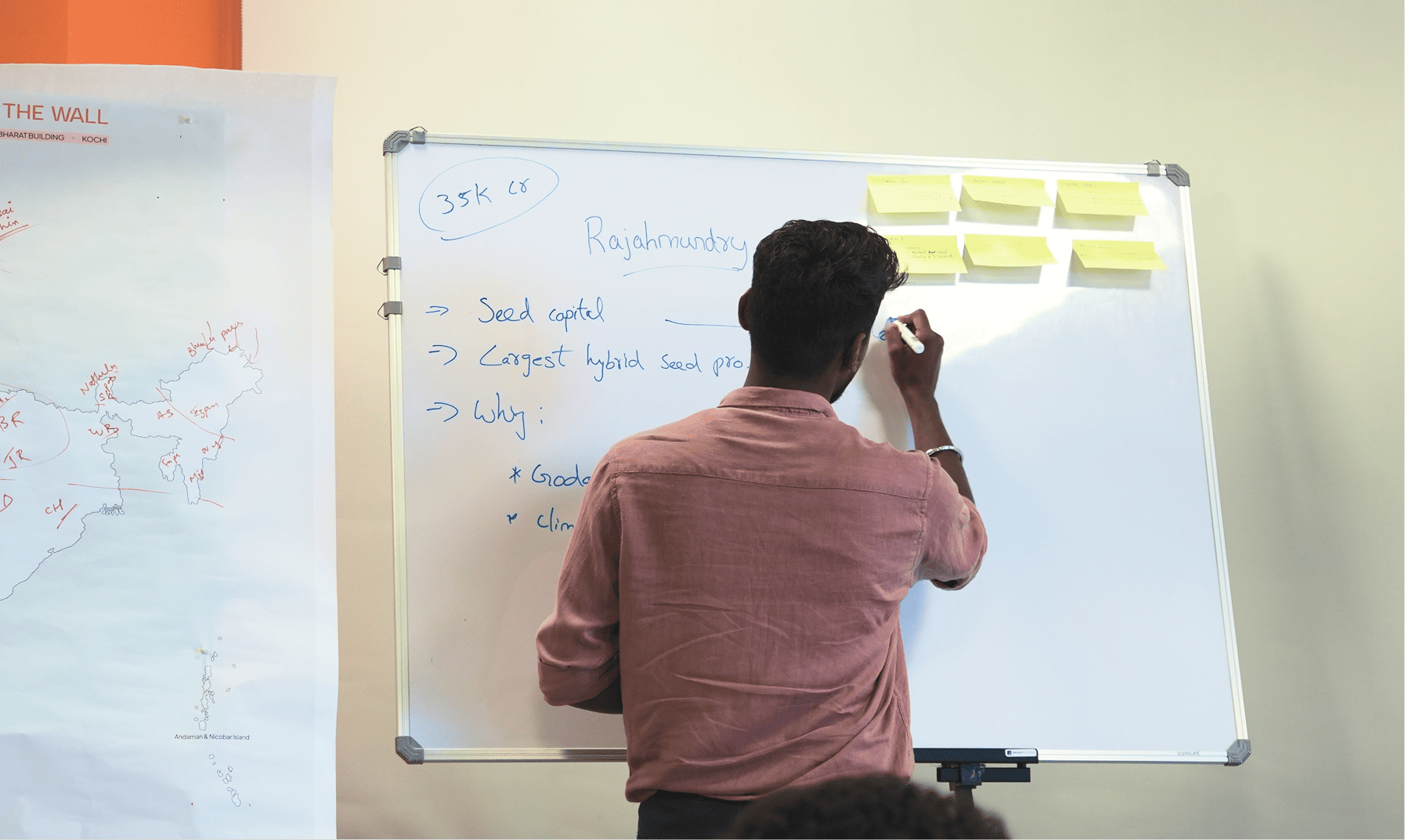
For most people in India in 2026, an MBA is worth it only under three conditions: a top-tier institute, a career goal that genuinely needs the credential, and a cost you can earn back within a few years. For aspiring founders and operators, hands-on, learn-by-doing paths now deliver more — for far less money and risk.